rosannarobertson2014's pick · Updated July 2026
Rich Dad Poor Dad: What the Rich Teach Their Kids About Money That
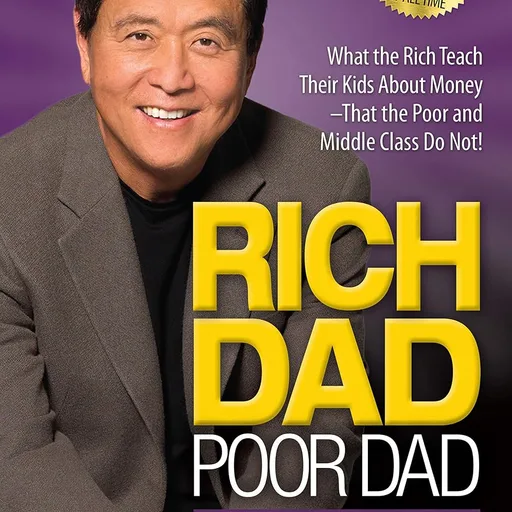

Rich Dad Poor Dad may appeal to readers who want a simple, idea-driven introduction to personal finance and a different way of thinking about money. It is the kind of book that often gets chosen by someone who is just starting to compare basic budgeting advice with more opinionated views about assets, liabilities, and long-term financial habits. The title alone makes its aim clear: this is less about technical investing and more about shifting how the reader frames work, spending, and wealth building.
The main reason to consider it is that it has a very broad, conversational approach. That can make it easy to pick up if dense finance books feel intimidating or dry. It may also suit readers who want a book that starts discussion rather than ending it, since books like this often leave the reader with questions about which ideas are useful, which are oversimplified, and which need more research before they shape real decisions. For a first recommendation page, that balance matters because the book is widely discussed and easy to recognize, but it still needs to be evaluated as a point of view, not treated as a full financial plan.
One thing to verify before buying is whether you want a motivational personal finance book or a more evidence-based guide. That difference matters. A book built around memorable lessons can be useful as a starting point, but it may not give the reader the detail, caution, or step-by-step structure that a more practical finance manual provides. Readers should also check whether they are looking for general mindset advice, business thinking, or actual budgeting help, since those are not the same need.
The evidence posture here is limited by the absence of usage notes. This page cannot claim personal reading experience, results, or comparisons, so the safest approach is to judge the book by its place in the category and by the reader's own goals. If the goal is to get a quick, talkative introduction to money ideas and then keep researching on your own, it may fit. If the goal is to build a detailed plan for saving, debt reduction, or investing, it is worth pairing with more practical sources.
That makes it a better fit for readers who want a readable starting point than for readers who want a complete financial handbook. It may also be a decent choice for someone who likes books that challenge familiar assumptions and prompt further reading. If you treat it as a conversation starter, it can be useful. If you want a final word on personal finance, it is probably not the right place to stop.
Amazon product links on this guide are not currently affiliate links. Neither rosannarobertson2014 nor Buyer Field Guide earns an affiliate commission from them.
See current price